It Doesn’t Have to Be Flooded to Be a Problem
When most people think about crawl space problems, they picture standing water or obvious flooding. But in many homes across Alabama and western Georgia, the real trouble starts long before water ever pools on the ground.
A crawl space doesn’t need to be soaked to cause damage. Moist air, musty odors, and soft insulation are early signs that humidity is building up below the home, and that’s when it’s easiest to take action. Whether your crawl space feels slightly damp or clearly wet, the difference matters. And knowing what to look for could help you prevent serious issues down the line.
What a Damp Crawl Space Looks and Feels Like
A damp crawl space might not raise alarm bells at first. There’s no standing water, no obvious leaks, but something feels off. The air might be humid and thick. The soil could feel cool or lightly moist. Maybe there’s a musty smell that doesn’t go away, or a slight softness to the insulation under your floors.
You might also notice light condensation on ductwork, plumbing, or wooden joists. Over time, that damp environment creates the perfect conditions for mold, mildew, and pests, even without visible water.
Damp crawl spaces are often caused by a mix of high humidity, poor ventilation, and light water intrusion during rain or snowmelt. And in the South, with our year-round humidity and clay-heavy soils, it’s more common than most homeowners realize.
What a Wet Crawl Space Looks Like
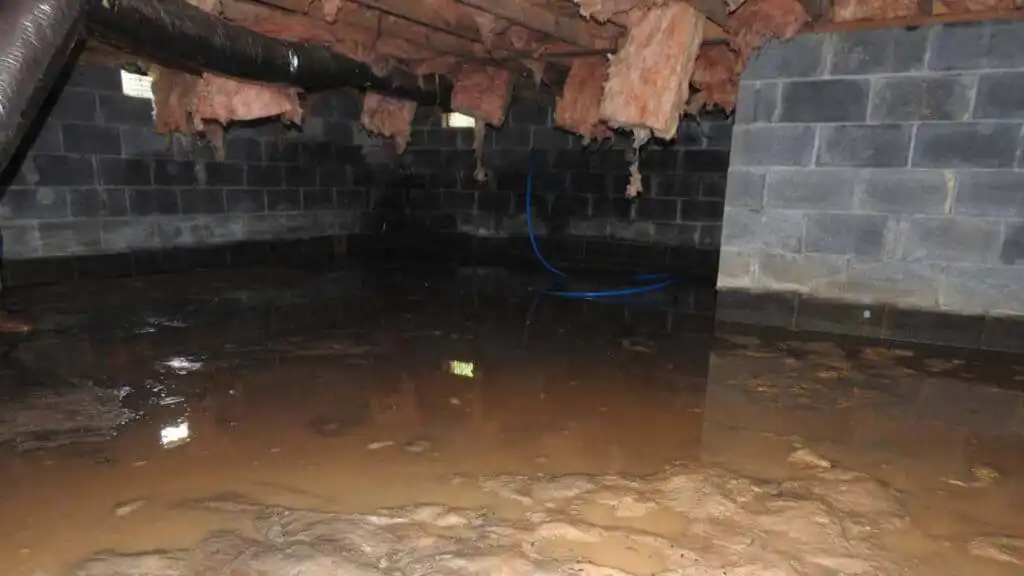
When a crawl space shifts from damp to wet, the signs become much harder to miss and much more serious. You might see standing water on the floor, especially after heavy rain. Pools may collect around piers or foundation walls, and you might notice water stains, muddy soil, or areas that stay consistently saturated.
Other red flags include soaked insulation, heavy condensation on pipes or ductwork, and wood framing that looks swollen, soft, or discolored. Mold often appears in patches, and metal surfaces may begin to rust.
Wet crawl spaces are typically the result of poor drainage, rising groundwater, or broken plumbing lines. Whatever the cause, the longer water sits beneath your home, the more it threatens your structure, air quality, and comfort.
Why the Difference Matters
It’s easy to overlook a damp crawl space, especially when there’s no visible water. But even low levels of moisture can lead to mold growth, wood rot, pest activity, and poor indoor air quality. Because nearly half the air in your home can come up from the crawl space, what happens below the floor doesn’t stay there for long.
A wet crawl space takes those risks even further. Standing water can weaken structural supports, cause insulation to collapse, and damage HVAC systems or plumbing. It also raises humidity throughout the home, leading to higher energy bills and ongoing discomfort.
Whether your crawl space is damp or wet, both conditions need to be addressed. The sooner you act, the more options you have and the lower the cost of repair.
How SouthernDry Fixes Both
At SouthernDry, we tailor every solution to the actual conditions in your crawl space—whether it’s slightly damp or already taking on water.
For damp crawl spaces, we typically recommend a vapor barrier paired with a crawl space dehumidifier. This helps seal out ground moisture, reduce humidity, and prevent mold growth before it starts.
For wet crawl spaces, we take a more aggressive approach. That may include installing a perimeter drainage system, a sump pump with discharge lines, and a full encapsulation system to seal the space and protect it long-term. If water has already caused structural damage, we can repair floor joists, stabilize piers, and reinforce sagging areas with permanent floor supports.
And with our Lifetime TotalCare Maintenance Program, you get ongoing protection—backed by guaranteed service, product replacement coverage, and yearly inspections to make sure everything stays working as it should.
Not Sure If It’s Damp or Wet? We’ll Help You Find Out
If your crawl space feels humid, smells musty, or shows signs of water damage, it’s time to take a closer look. Whether it’s early-stage moisture or standing water, SouthernDry Waterproofing & Foundation Repair can help.
We serve homeowners throughout Alabama and western Georgia, including Birmingham, Montgomery, Tuscaloosa, Huntsville, and Columbus, GA. Our team will inspect your crawl space, explain what’s happening, and recommend the right solution without pressure or guesswork.