Understanding and Solving the Issue
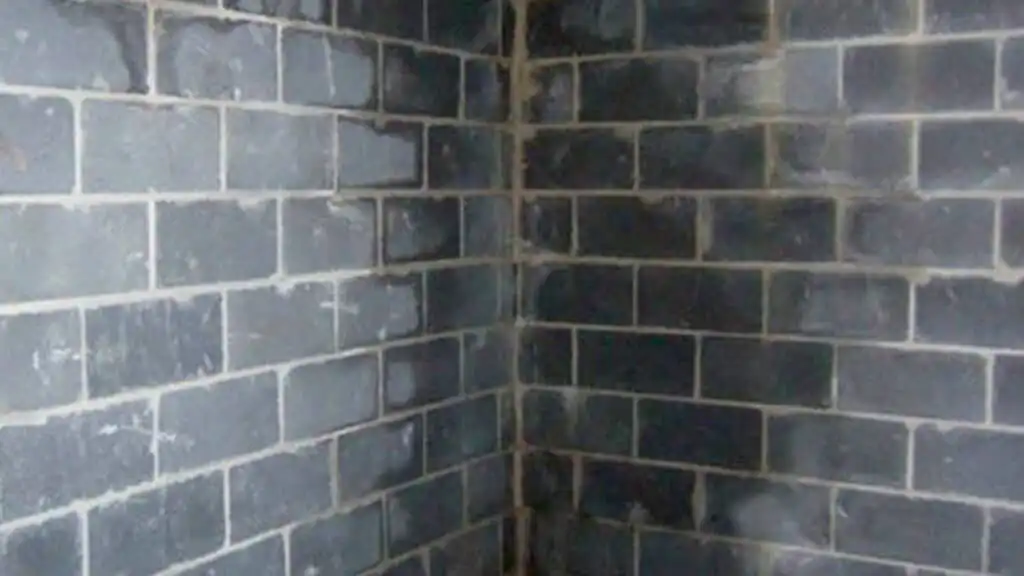
The presence of water stains or dampness on your concrete walls or floors is indicative of an excess of water and moisture. This could be a result of water seeping through cracks or seams in your basement cove, or moisture condensing on cooler surfaces within your basement.
The Effects of Excess Moisture
Allowing excess moisture and dampness to persist can lead to significant problems over time. Ignoring these issues will not resolve them; in fact, they will worsen. We strongly advise homeowners facing moisture and dampness concerns in their basements to reach out to us for a free inspection and repair estimate.
Recognizing Water Damage
Water stains, efflorescence or dampness on walls and floors, especially near the floor and wall joint, are common indicators of water damage within your home. Such symptoms could arise from serious problems like broken pipes or flooding, or from surface moisture caused by humidity and condensation. These stains may also point to groundwater infiltrating your basement or crawl space, or water permeating through concrete walls.
These signs of discoloration and dampness are signs that water is sitting against the outside of your basement wall and not properly draining away. Luckily, SouthernDry has a solution to drain this water away with a sub-floor basement waterproofing drainage system.
Common Sources of Water Stains or Dampness
The primary sources of water damage often include interior issues such as leaky plumbing fixtures, high humidity leading to condensation, pin hole or pipe penetration leaks, and leaks from rain and groundwater. Any of these water or moisture problems can stain walls, leave behind a white powdery efflorescence, and foster mold growth on certain surfaces.
Exterior Factors Contributing to Water Damage
Deficiencies in gutters and downspouts, a leaking roof, and runoff from ground and surface water are key contributors to water damage in homes. Moisture concerns can also arise from elevated indoor humidity levels, resulting in condensation on interior surfaces.
Interior Contributors to Water Damage
Water-related issues from within the home range from groundwater leaks and plumbing-related troubles to excessive indoor humidity. Common culprits encompass rainwater, burst pipes, and leaks from appliances like dishwashers and washing machines. These leaks can all lead to mold growth and long-term structural harm.
Anticipating Groundwater Damage
Given the construction of houses, it’s nearly inevitable for groundwater damage to affect homes with below-ground basements or crawl spaces. Homeowners should be mindful of this when considering basement finishing projects.
Addressing Water Damage
Upon detecting signs of water damage, it’s crucial to identify the source before initiating repairs. Homeowners should assess items in their homes that release water, such as refrigerators, baths, and sinks, and monitor them for leaks. Regular maintenance, including gutter checks, weatherproofing around windows, and monitoring irrigation systems, is vital to prevent enduring damage and costly fixes.
Stop Water Damage Before It Starts
Water stains, puddles, or musty odors in your basement are signs you can’t afford to ignore. Moisture may be entering through cracks, wall seams, or hydrostatic pressure and the longer it stays, the more damage it causes to your foundation, air quality, and belongings.
SouthernDry provides expert basement waterproofing solutions across Alabama and western Georgia, including Tuscaloosa, Montgomery, and Columbus, GA. Our Certified Foundation Specialists will inspect your basement or crawl space for free and give you a clear plan to stop water at the source.
Schedule your free inspection today and protect your home from water damage before it spreads.