

400+
5-Star Reviews
Serving Leeds, AL since 2004
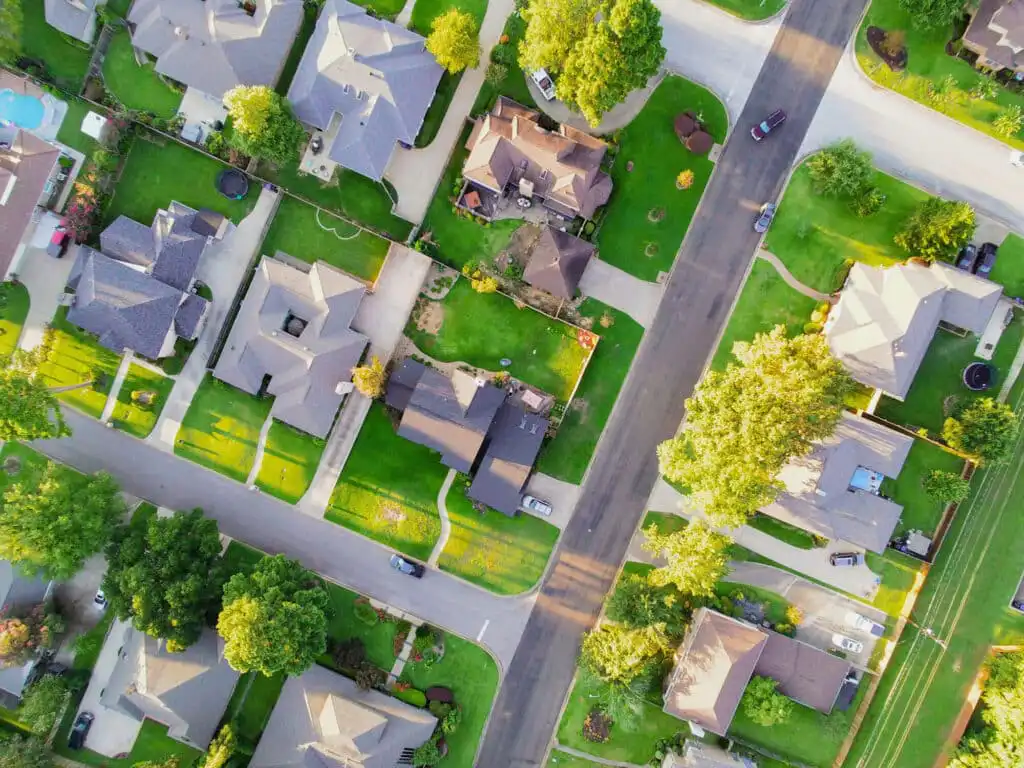
Leeds sits where the Little Cahaba River and its tributaries cut through the eastern edge of Jefferson County, and homes built near that drainage network deal with more groundwater pressure than homes on higher ground a few miles away. Dry Creek, a Little Cahaba tributary that runs through town, has a documented history of flooding significant enough that it carries its own FEMA floodway designation near Azalea Road. When a home sits downhill from water that behaves like that, the soil around the foundation saturates and drains unevenly year after year, and that cycle is what eventually shows up as cracks, uneven floors, and doors that stop closing right.
Leeds also has a mix of housing stock that goes back to two distinct building booms: one tied to the Lehigh cement plant in the early 1900s, and a much larger one during Birmingham’s postwar expansion in the 1950s and 60s, when the city’s population nearly doubled twice over in twenty years. Homes from those eras were built to the standards and materials of their time, which means older footings, older drainage assumptions, and decades more time for gradual soil movement to work on the structure. That’s before a homeowner even gets to what a Leeds summer does to expansive clay soils in this part of Alabama, swelling with rain and pulling back hard during dry stretches.
SouthernDry has worked on foundations across central Alabama since 2004, and Leeds homes are a regular part of that work. Our crews get called out to the same drainage-driven cracking, crawl space moisture, and slab movement caused by this particular mix of geography and housing age, and Guaranteed Solutions for Life™ backs every job with a transferable written warranty, a money-back guarantee, product replacement for life, and lifetime TotalCare™ maintenance.




Trustworthy Repairs since 2004
213 MDS Dr, Suite 100
Pell City, Alabama 35125
205-719-2544
Licensed and insured
Prompt service
No sales gimmicks
Clean work areas
Homes built in Leeds during the 1950s and 60s were typically set on unreinforced concrete block foundation walls with shallow spread footings, a standard method of that era before rebar reinforcement in block walls and deeper footing requirements became common practice. Unreinforced block has no steel running through the mortar joints to hold it together when the clay soil beneath it swells and pulls back through the year, so the wall cracks along the joint lines instead of flexing with the movement. Chimneys from that period were usually built on their own separate, shallower footing rather than tying into the home’s main foundation, which is why they’re often the first thing to visibly lean when the soil around the house starts shifting unevenly.
That same shallow footing is what lets the rest of the house settle unevenly once the soil beneath it starts moving. Doors and windows stick or stop latching correctly as their frames rack out of square, and floors sag or slope toward whichever side of the house has settled furthest. The stair-step cracks running through the block walls are the clearest marker of all this, tracing the exact mortar joints giving way under that pressure.
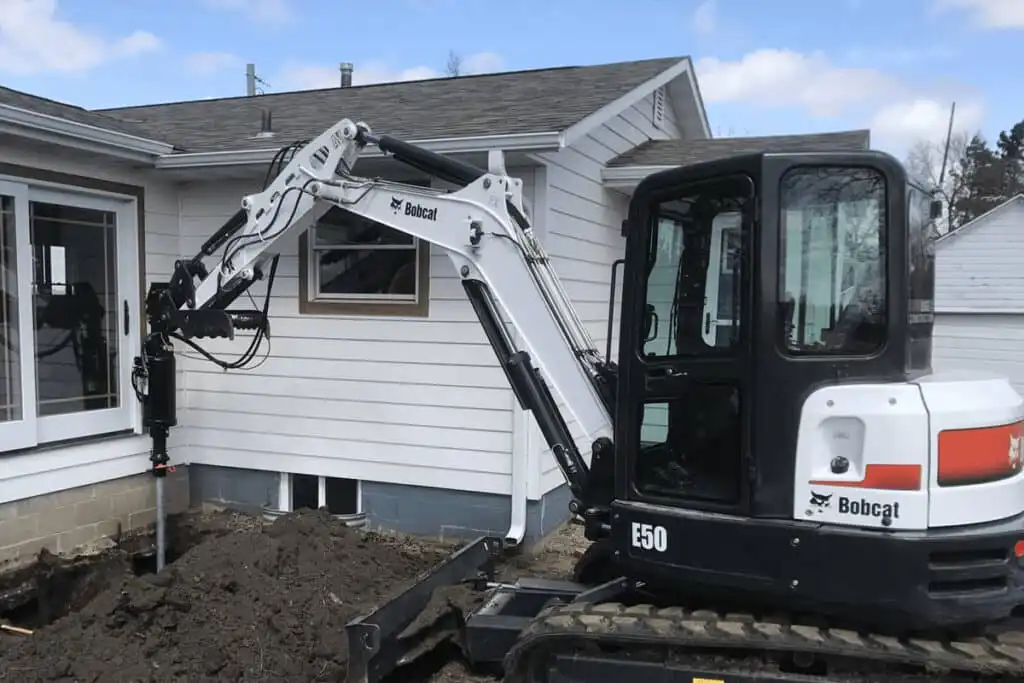
SouthernDry treats the footing itself as the point of failure. Push piers go past the shallow original footing and reach load-bearing soil or bedrock, stabilizing the structure at the depth the 1950s construction never reached. A leaning chimney gets its own underpinning for the same reason, since it’s carrying its own separate footing problem. Wall rebuilds come into play where the block has deteriorated past what crack repair or bowing wall correction can hold, and every job carries the same transferable warranty and money-back guarantee as the rest of our work.
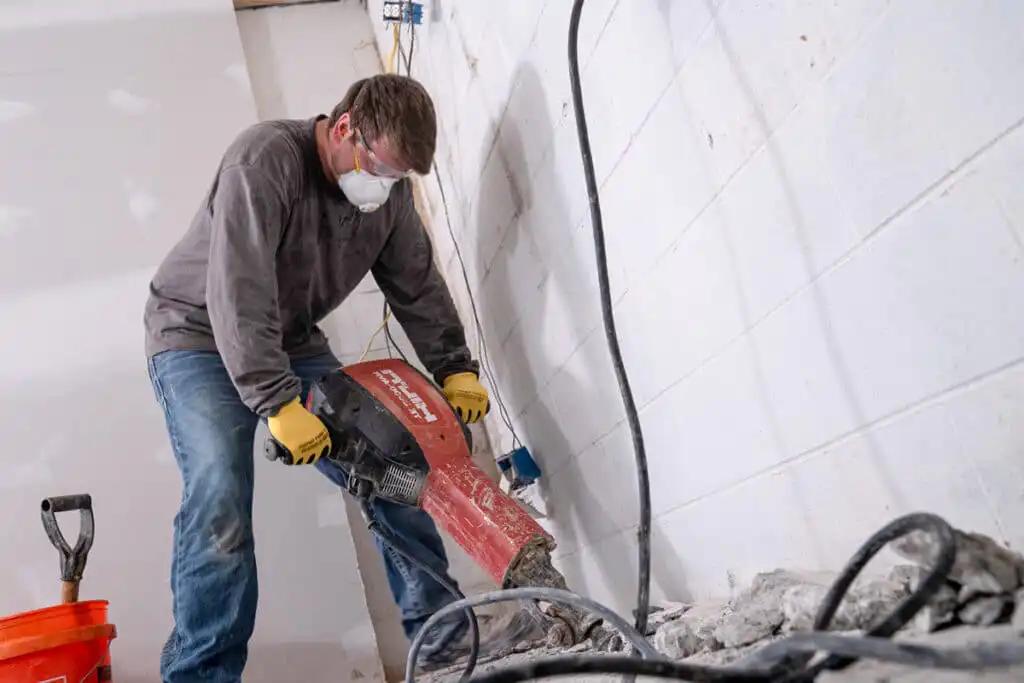
Leeds’ hillier terrain means some basements here are cut partly into a slope, with soil pressing against one or more walls even when the ground everywhere else is dry. That soil holds water longer than it drains, and the pressure it puts on a below-grade wall builds until it finds a way through, usually along a mortar joint, a cove where the wall meets the floor, or a hairline crack that was never a problem until the water started using it as an entry point.
Once water’s getting in, the signs tend to show up before anyone sees standing water. A musty smell that lingers no matter how much the space gets aired out, white mineral deposits creeping across the block, or a basement that stays a few degrees colder and damper than the rest of the house are all early indicators that moisture is moving through the wall itself.
SouthernDry installs an interior perimeter drain along the base of the basement wall to catch that water before it reaches the floor, paired with a sump pump sized to the volume a Leeds basement actually produces during a hard rain. A battery backup keeps the pump running if the power goes out mid-storm, which matters most exactly when the basement needs it. Where the walls themselves are letting in moisture through the block rather than just the floor line, we add a wall vapor barrier to seal that separately.
Many crawl spaces under older Leeds homes were built vented, open to outside air through foundation wall openings, which was standard practice before builders understood how much humid air that design actually pulls in. Alabama’s humidity moves through those vents and condenses on the cooler surfaces underneath the house, and once that moisture settles into the wood framing and insulation, it doesn’t dry back out the way it came in.
That trapped moisture works its way upward into the living space through what’s known as the stack effect: warm air rises out of the crawl space and into the rooms above, carrying humidity, mold spores, and musty odor along with it. Homeowners usually notice it first as a smell that won’t go away, insulation sagging away from the subfloor, or floors that feel spongy in one part of the room and solid everywhere else. Support posts, beams, and floor joists can also start to soften or decay wherever moisture’s been sitting longest.
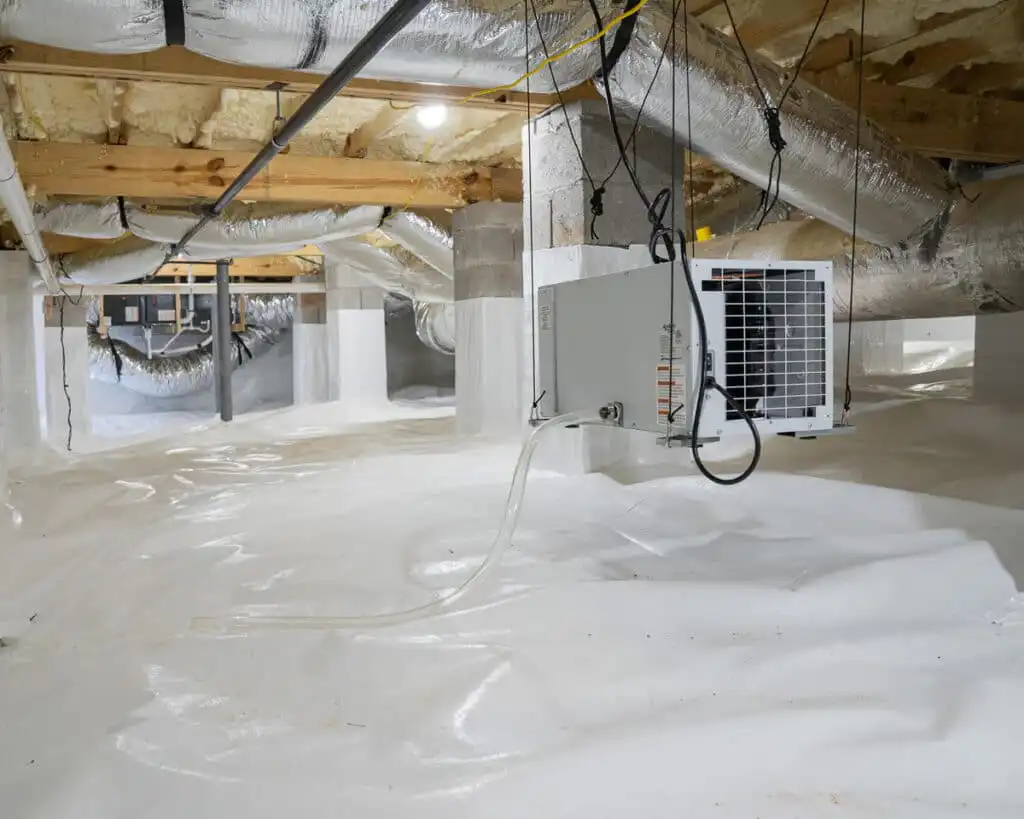
SouthernDry seals the space with a reinforced vapor barrier across the floor and up the foundation walls, closing off the vents and gaps that were letting outside air in to begin with. Where support posts or joists have already started to soften, those get reinforced or replaced before the barrier goes in, since sealing over a weakened structure doesn’t fix what’s underneath it. A dehumidifier gets added when the space needs active humidity control beyond what the sealed barrier handles on its own, and a sump pump comes into play if standing water or a high water table is part of the problem.
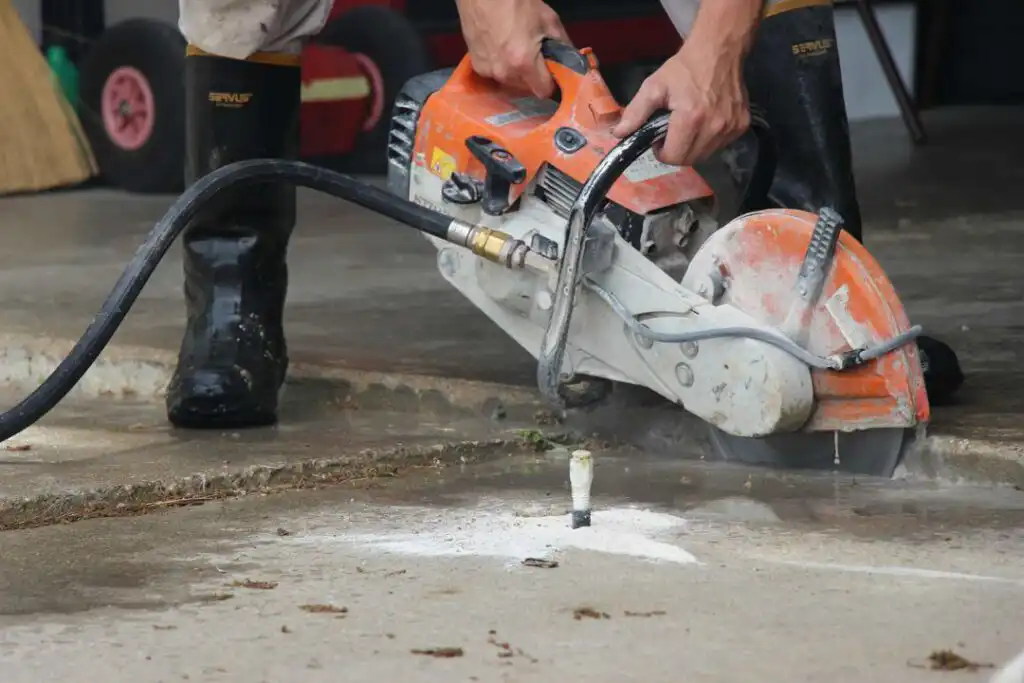
Concrete settles differently depending on what’s underneath it, and Leeds has two distinct situations at play. Older neighborhoods sit on native soil that’s been compacting and shifting for decades, while newer construction around the Grand River development was built on graded and filled ground that hasn’t had nearly as much time to settle on its own. Either way, once water finds a path underneath a slab, whether through a joint, a crack, or just runoff working its way along the edge, it erodes the soil supporting the concrete and leaves a void the slab eventually sinks into.
That settling shows up as cracked or separated joints, a tripping edge where one section of driveway or sidewalk sits higher than the next, gaps opening up under stairs or stoops, and sections that visibly slope toward one side. None of this happens overnight. It’s usually the same section getting a little lower every rainy season until the difference becomes impossible to ignore or step over safely.
SouthernDry lifts the slab back into place with high-density polyurethane foam, injected through small drilled holes that fill the void left by the eroded soil and raise the concrete to level in the same visit. Because the foam fills the space the water washed out rather than just patching the surface, the slab has something solid to rest on again instead of resettling into the same gap. Driveways, patios, walkways, and garage floors all get the same approach, whether the ground underneath is decades-old native soil or newer fill from Leeds’ recent development.
View ReviewThe group you sent to do the work at my house were so nice! Your installation people are what make the difference!!

View ReviewHad my house encapsulated, from the start with the sales representative to the end with the maintenance crew, it was an outstanding experience. The crew performed the work quickly and correctly and the price beat everyone else.

View ReviewWe had our crawlspace encapsulated and Southerndry did an excellent job. Everyone we dealt with was friendly, professional, and very competent. Their prices were better than almost all other estimates we received and the results are excellent. Recommend them highly.

View ReviewMy crawlspace was wet, moldy, and just nasty. The insulation was soaking wet and it smelled awful. I called five different companies to come out and give me quotes on what they thought needed to be done. I had quotes all over the board ranging from $7,000 all the way up to $48,000. Southern dry…

View ReviewWow!! I called less than a week ago with a major moisture/mold problem under our house that we discovered. They had someone out within a few days. And not even a week after my initial phone call, they had 2 crews out working on our home. Allen- Crew 4 & Chochi- Crew 3. They had…

View ReviewJake was Awesome! He communicated well, was on time, respected my property and was very professional. He explained everything well and even showed me pictures of my crawl space so I could see existing issues. I appreciated this because most could tell me anything and I would never know if they were just trying to…



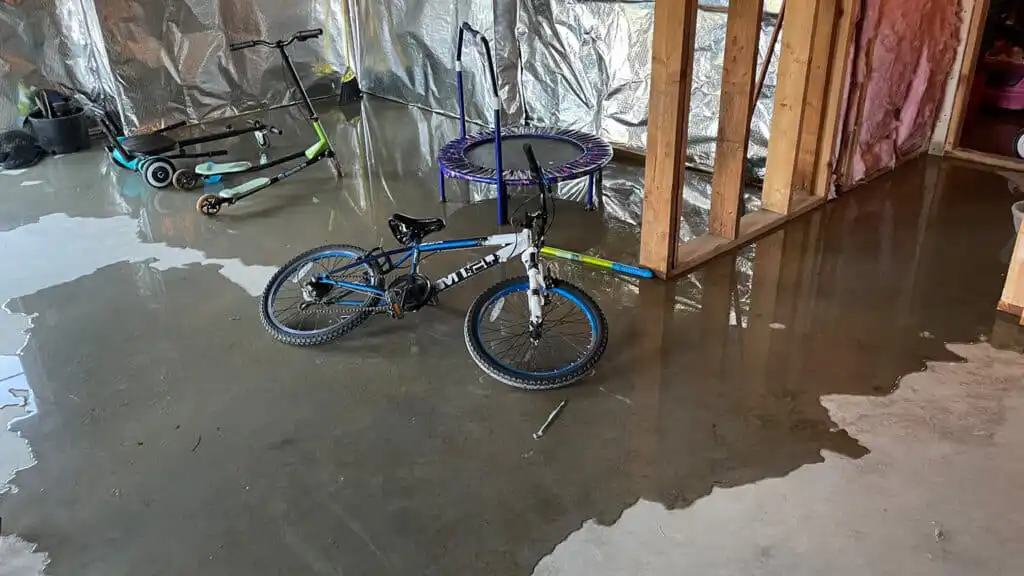
Choosing a foundation and waterproofing company is the most important decision you’ll make for your home’s structural integrity. Unfortunately, making the wrong choice has costly consequences.
Hiring the wrong foundation company leads to:
Poor and temporary fixes
Water damage that puts your family and home at risk
Spending thousands on recurring repairs
Structural issues that worsen over time
Headache & Worry
You shouldn’t have to worry about being taken advantage of by a contractor. When working with us, you can count on an experience that’s rare in the foundation industry.
Licensed, bonded, and insured
Guaranteed Solutions for Life™
Honest assessments with no sales games
Industry-leading transferrable warranties
No-risk money-back guarantee
Lifetime annual maintenance
Top Rated Company with over 600 5-Star reviews
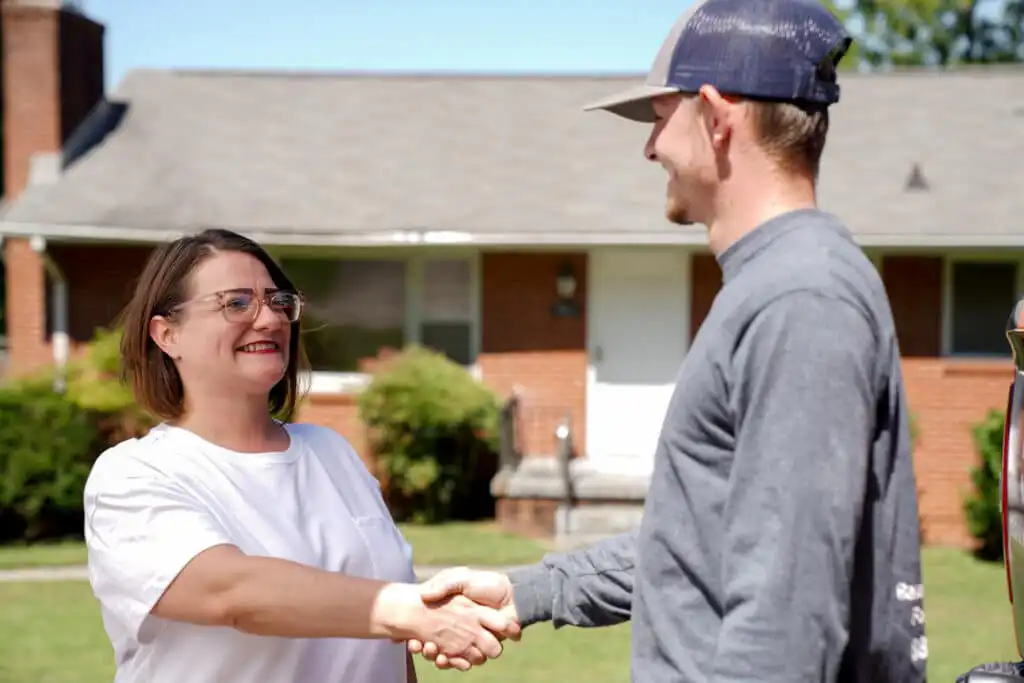
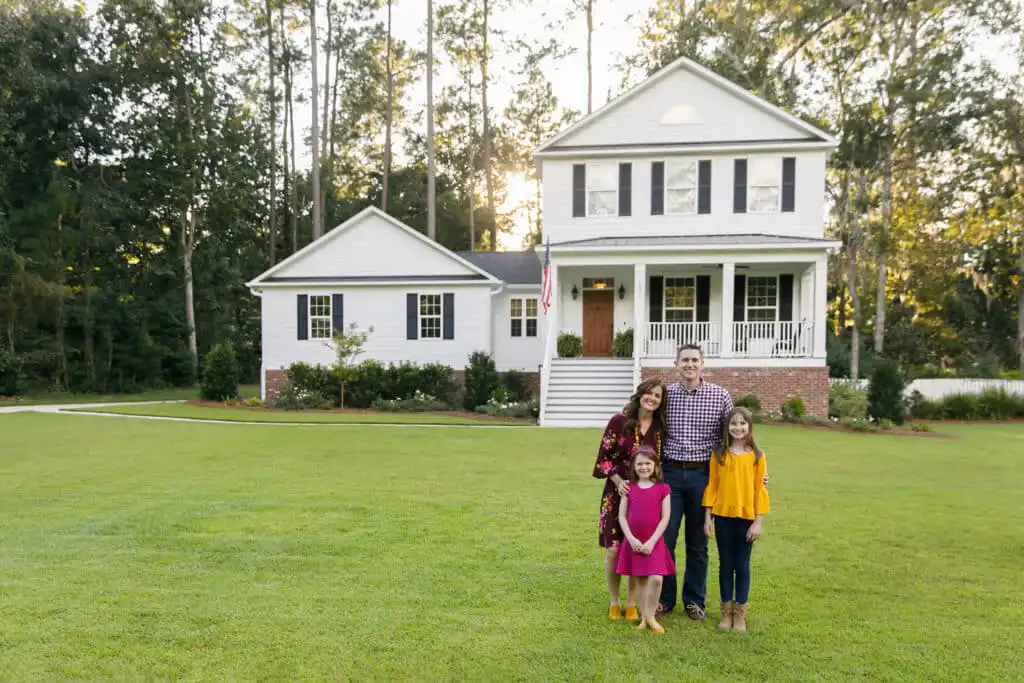
Anyone can say they fix it, we guarantee it for life!
Trusted by your neighbors, endorsed by top home inspectors, and approved by structural engineers.
Fair & Honest Pricing
We believe in real, honest, 100% transparent pricing. Not “price matching” gimmicks and marketing tricks like some companies.
No gimmicks
No pushy tactics
Priced with integrity
Built on honesty
It was an outstanding experience. The crew performed the work quickly and correctly and the price beat everyone else.View ReviewHad my house encapsulated, from the start with the sales representative to the end with the maintenance crew, it was an outstanding experience. The crew performed the work quickly and correctly and the price beat everyone else.
Their prices were better and the results are excellent. Recommend them highly.View ReviewWe had our crawlspace encapsulated and Southerndry did an excellent job. Everyone we dealt with was friendly, professional, and very competent. Their prices were better than almost all other estimates we received and the results are excellent. Recommend them highly.
Southern Dry was not the cheapest but no where near the most expensive.View ReviewMy crawlspace was wet, moldy, and just nasty. The insulation was soaking wet and it smelled awful. I called five different companies to come out and give me quotes on what they thought needed to be done. I had quotes all over the board ranging from $7,000 all the way up to $48,000. Southern dry…

SouthernDry Financing Solutions
Most homeowners don’t expect to deal with water in the basement or cracks in the foundation. But when these problems show up, delaying repairs can make the damage worse—and more expensive.
Simple Process
Fast Approvals
Multiple Financing Options
Today’s Best Rates

Keep your system working at maximum capacity
When you had your waterproofing solution installed, you made a very important decision to protect your property. Just as your automobile needs maintenance and monitoring, so does every waterproofing system.
Protect your home from cracks, settling, and structural damage. Our team specializes in foundation repair solutions designed for Leeds, AL’s clay-heavy soil and weather conditions. Services include:
We are local homeowners too. Every solution we provide is designed for Leeds, AL’s unique soil and climate conditions. When you work with us, you also get:
Homes in Leeds, AL often face issues caused by soil movement, moisture, and heavy rains. Common problems include:
These issues get worse over time if not addressed, so early action is important.